Mastering Tomatillo Salsa Verde: Roasting for Authentic Mexican Flavor
There's a vibrant, zesty heart beating at the core of Mexican cuisine, and often, it comes in two glorious forms: a rich, earthy red sauce and a bright, tangy green sauce. While red salsas hold their own, today we turn our attention to the dazzling world of Tomatillo Salsa Verde – a true culinary gem that promises to elevate everything it touches. Forget the bland, bottled versions you might be accustomed to; creating authentic tomatillo salsa verde from scratch is not only surprisingly simple but yields a depth of flavor that is truly transformative. And when it comes to unlocking that unparalleled, rich, and truly authentic Mexican taste, one technique reigns supreme: roasting.
This isn't just about mixing ingredients; it's about coaxing out their very best. By embracing the roasting method, you'll discover a world where the naturally tart tomatillo mellows into a complex, slightly smoky, and irresistibly savory base, setting your homemade salsa miles apart from any store-bought alternative. Get ready to awaken your palate and bring the vibrant flavors of Mexico right into your kitchen!
The Humble Tomatillo: The Star of Your Green Sauce
For many, the first encounter with a tomatillo can be a bit of a mystery. Often mistaken for a green tomato, this fruit (yes, it's botanically a fruit!) is actually a distinct relative, recognizable by its papery husk. Native to Mexico, the tomatillo (from the Nahuatl word tomatl) is the undisputed star of salsa verde. Its unique naturally tart, bright, and citrusy flavor profile is what gives the green sauce its signature tang and freshness. When selecting tomatillos at your local market, look for ones that are firm to the touch, with taut, green skins visible once you peel back the husk. Avoid any that appear pale, shriveled, or mushy, as these are past their prime.
Beyond the tomatillo, the ingredient list for this quintessential Mexican sauce remains refreshingly simple: spicy jalapeño (or serrano for a bolder kick), aromatic onion and garlic, fresh cilantro, and a squeeze of lime to brighten everything up. It's the alchemy of these few, honest ingredients that, when prepared correctly, creates a symphony of flavor that can transform everyday meals into extraordinary culinary experiences.
The Roasting Revelation: Why Roasting Elevates Your Tomatillo Salsa Verde
While there are various methods to cook tomatillos for salsa verde—boiling, sautéing, or broiling—it is the roasting technique that truly unlocks an unparalleled depth of flavor, making it the preferred method for achieving an authentic taste. Here's why roasting is your secret weapon for superior tomatillo salsa verde:
- Intensified & Concentrated Flavors: Roasting the tomatillos, jalapeños, onions, and garlic in the oven allows their natural sugars to caramelize through the Maillard reaction. This process develops deeper, sweeter, and more complex notes that you simply won't achieve with boiling, which can dilute flavors, or even sautéing, which offers less even browning.
- Smoky Undertones: As the vegetables char slightly in the high heat of the oven, they develop wonderful smoky nuances. This subtle smokiness is a hallmark of authentic Mexican salsas, adding a rustic, earthy dimension that is incredibly appealing.
- Perfect Texture for Blending: Roasting softens the vegetables beautifully, making them incredibly easy to blend into your desired consistency – whether you prefer a smooth, pourable sauce or a chunkier, more rustic salsa. The slight charring also adds a textural complexity when blended.
- Reduced Acidity, Enhanced Sweetness: The heat of the oven helps to mellow the raw tartness of the tomatillos, concentrating their natural sweetness and creating a more balanced flavor profile in the final salsa.
Comparing this to boiling, which often results in a flatter, less vibrant taste, or even pan-frying, which can be inconsistent, roasting offers a superior, more harmonious flavor development that is essential for an authentic Mexican green sauce.
Crafting Your Roasted Tomatillo Salsa Verde: A Step-by-Step Guide
Making a batch of homemade Quick & Easy Homemade Tomatillo Salsa Verde: Better Than Store-Bought is a rewarding experience. Here's how to master the roasting method:
1. Gather Your Ingredients:
- Tomatillos: Approximately 1.5 - 2 pounds (about 8-10 medium-sized). Remove the husks and rinse them thoroughly under warm water to remove the sticky residue.
- Chiles: 1-2 jalapeños for moderate heat, or 1-2 serrano peppers for more intensity. You can remove the seeds and membranes for less heat, or leave them in for extra spice.
- Aromatics: Half a medium white onion, roughly chopped, and 2-3 cloves of garlic, peeled. Roasting the garlic with the other vegetables adds a wonderfully mellow, sweet garlic flavor compared to raw garlic, which can be sharper.
- Fresh Herbs: A generous handful of fresh cilantro (about 1/2 cup packed).
- Acidity & Seasoning: Juice of 1/2 to 1 lime, and salt to taste.
- Oil: A drizzle of olive oil or neutral cooking oil.
2. Prepare for Roasting:
Preheat your oven to 400°F (200°C). Arrange the husked and rinsed tomatillos, jalapeños, chopped onion, and peeled garlic cloves on a baking sheet. Drizzle lightly with oil and toss to coat evenly. Ensure the vegetables are in a single layer to allow for even roasting and browning – don't overcrowd the pan!
3. The Roasting Process:
Roast for 15-20 minutes, or until the tomatillos are soft, slightly wrinkled, and have developed some beautiful brown spots and char. The jalapeños should also be tender with a bit of char, and the onion and garlic softened and lightly caramelized. Keep an eye on them to prevent burning. If your oven has a broiler setting, a quick minute or two under the broiler at the end can enhance the char, but watch carefully!
4. Blend to Perfection:
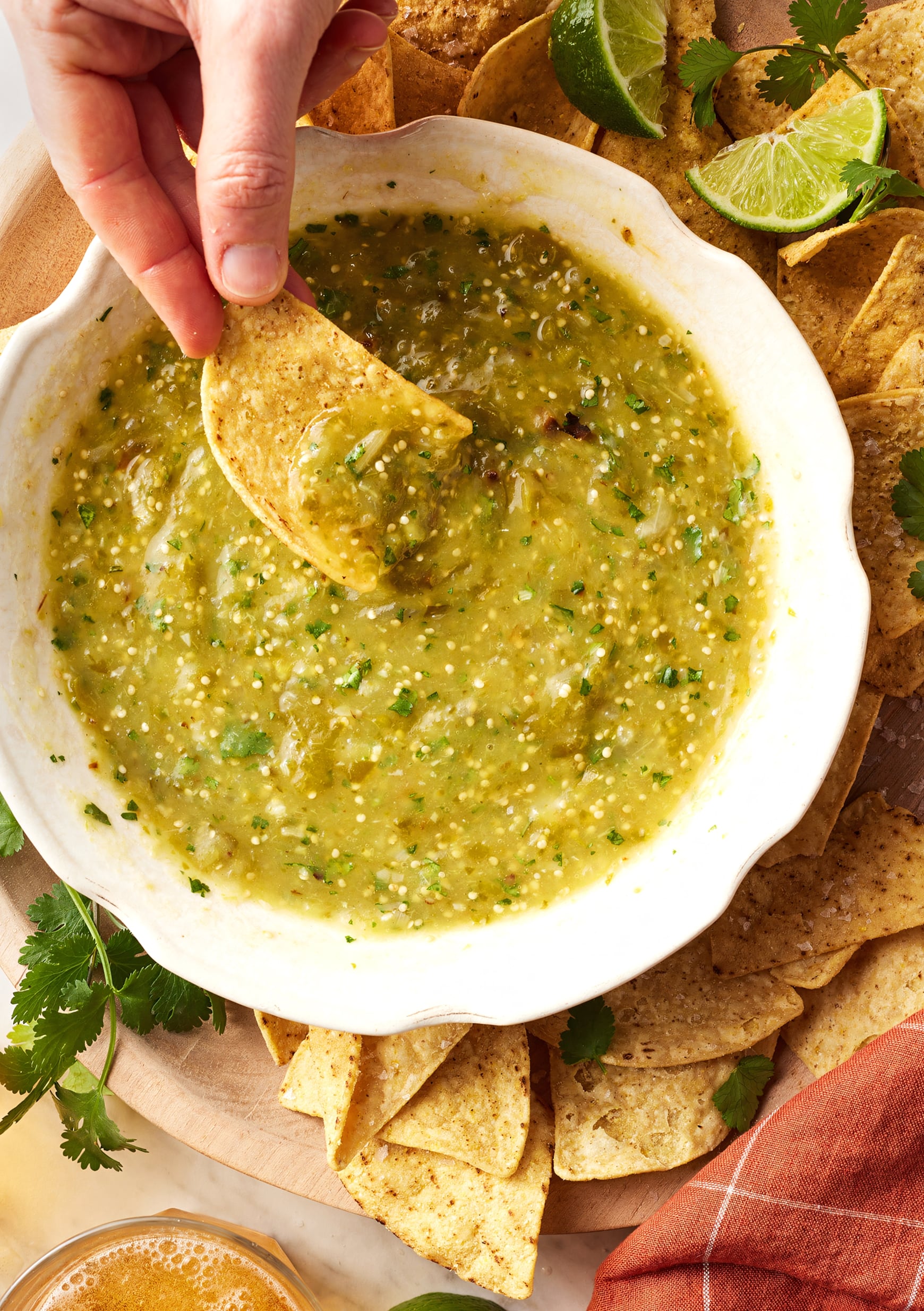
Carefully transfer all the roasted vegetables (including any juices from the baking sheet) to a blender or food processor. Add the fresh cilantro, the juice of half a lime, and a pinch of salt. Pulse the mixture until it reaches your desired consistency – some prefer a slightly chunky salsa with visible bits of pepper and tomatillo, while others opt for a smoother, sauce-like texture. Taste and adjust seasonings. Add more lime juice if you desire extra brightness, and more salt to bring out the flavors. If it's too thick, you can add a tablespoon or two of water, but roasted salsa typically has less excess liquid than boiled versions.
Beyond the Chip: Versatile Uses for Your Authentic Salsa Verde
While a bowl of freshly made tomatillo salsa verde with crispy tortilla chips is pure bliss, this versatile green sauce is capable of so much more. Its bright, tangy, and slightly smoky profile makes it a fantastic culinary companion for a myriad of dishes, truly showcasing The Versatile Tomatillo Salsa: A Bright Green Sauce for Tacos & Enchiladas.
- Enchiladas Verdes: This is a classic pairing! Smother chicken, cheese, or bean enchiladas with a generous amount of your homemade salsa verde before baking for a truly authentic and comforting meal.
- Taco Topping: Elevate any taco night. From slow-cooked carnitas and succulent al pastor to grilled chicken or flaky fish tacos, a spoonful of this salsa verde adds an essential layer of fresh, zesty flavor.
- Burritos & Quesadillas: Drizzle inside your burritos or serve alongside quesadillas for a burst of vibrant taste.
- Eggs: Transform your breakfast! Use it as a vibrant topping for huevos rancheros, folded into scrambled eggs, or simply spooned over a breakfast burrito.
- Marinade: Its acidic and flavorful profile makes it an excellent marinade for chicken, pork, or even firm white fish before grilling or baking.
- Stews & Chilis: Stir it into green chili, pork verde stew, or even a pot of pinto beans for an instant flavor boost.
Your homemade roasted tomatillo salsa verde can be stored in an airtight container in the refrigerator for up to a week, or it can be frozen for several months, making it perfect for meal prepping and ensuring you always have authentic Mexican flavor on hand.
Conclusion
Embracing the roasting method for your tomatillo salsa verde is more than just a cooking choice; it's an investment in flavor. It’s the key to transforming simple ingredients into a complex, nuanced, and truly authentic Mexican green sauce that outshines any store-bought alternative. The depth that comes from caramelized vegetables and a hint of char is incomparable, turning your salsa into a vibrant culinary foundation that will inspire countless delicious meals. So, skip the bottle, grab those fresh tomatillos, and experience the profound difference that homemade, roasted salsa verde can make. Your taste buds—and your table—will thank you!
